Contact


Inauguration of Unique Hydrogen Testing Facility at Swerim in Luleå
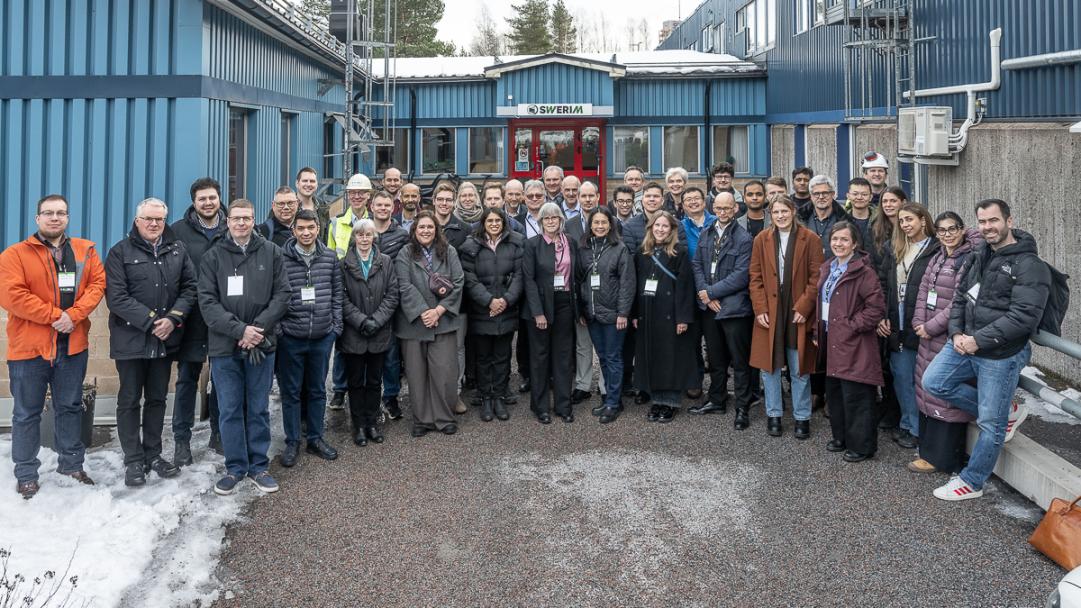
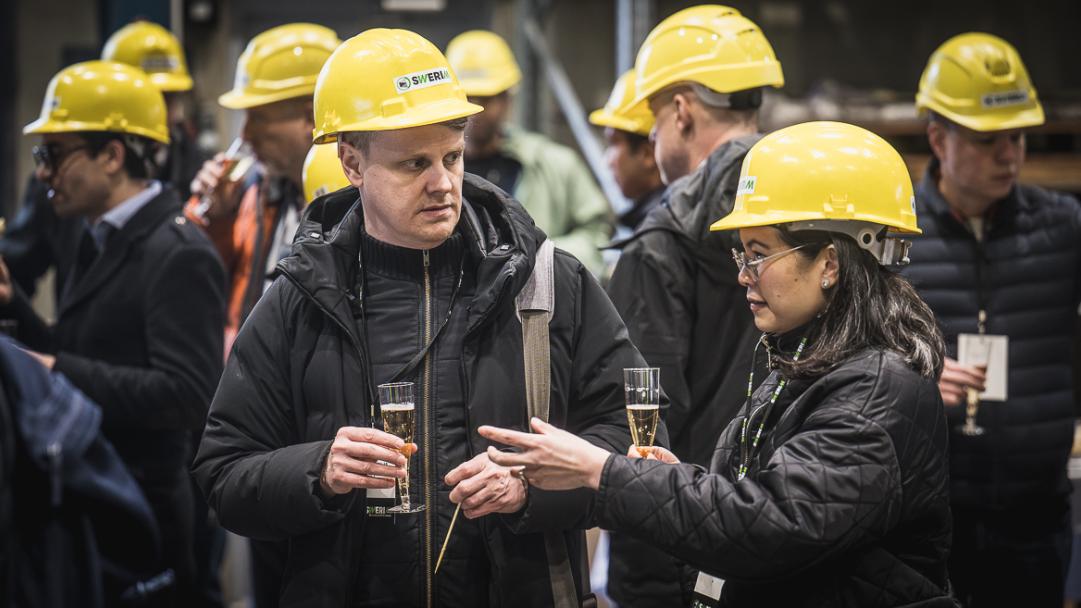
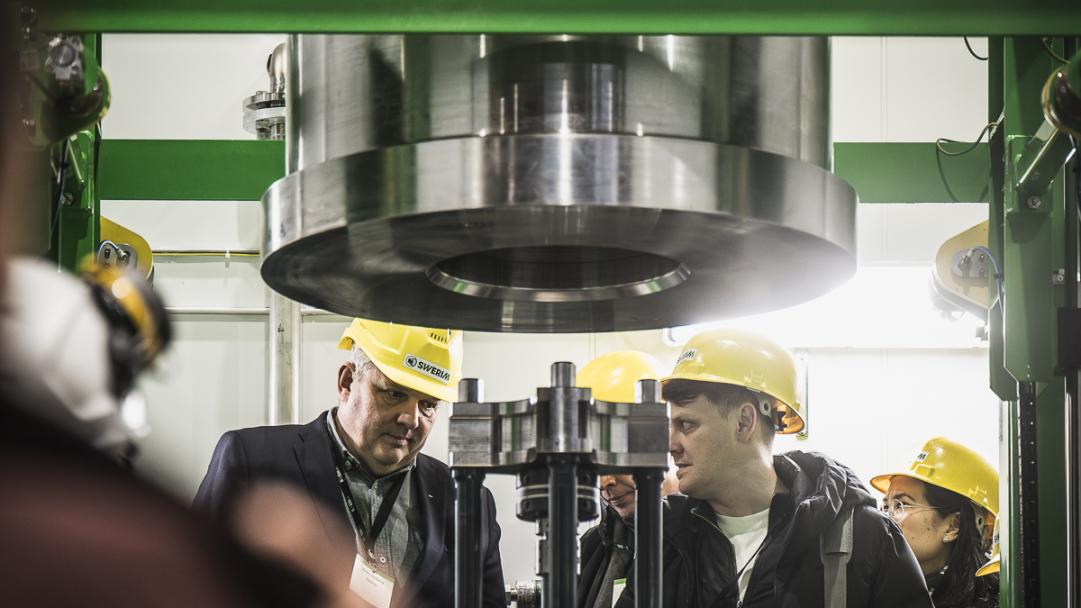
Standing more than three metres tall and built to withstand extreme pressure, a new hydrogen testing facility has now been commissioned at Swerim in Luleå. On 18 March, the so‑called hydrogen autoclave was officially inaugurated — a facility where materials can be tested in hydrogen environments.
“It feels incredibly exciting that we can finally begin testing. Industrial interest is high, and the need is clear,” says Pontus Rydgren, Project Manager at Swerim.
Hydrogen plays an important role in the transition to a fossil‑free society. It is used, for example, in the production of fossil‑free steel and may have significant importance in future transport systems and energy solutions.
At the same time, highly explosive hydrogen presents specific challenges. Hydrogen atoms can penetrate metals and make them more brittle — a phenomenon known as hydrogen embrittlement. This means that materials intended for hydrogen environments, such as pipelines or storage tanks, must be thoroughly tested.
This is done in hydrogen autoclaves — pressurised test chambers where materials are exposed to hydrogen and mechanical loads under controlled conditions. While hydrogen autoclaves already exist on the market, none meet the full range of requirements of today’s industry. For this reason, the metallurgical research institute Swerim has spent four years developing and constructing an autoclave capable of mechanical testing in hydrogen environments at various temperatures and pressures up to 1000 bar.
The facility was inaugurated by Pontus Sjöberg, CEO of Swerim, and Ulrika Borggren, Theoretical Materials Design Specialist at Alleima.
“The hydrogen autoclave is an important piece of the puzzle in the green transition; and it would not have been possible without public research funding through strategic competence funds from RISE,” says Pontus Sjöberg.
Read more about the Arena for Hydrogen in process and materials